Leave a Message
By providing your contact information to Houses In Omaha Team At Berkshire Hathaway Homeservices Ambassador Real Estate, your personal information will be processed in accordance with Houses In Omaha Team At Berkshire Hathaway Homeservices Ambassador Real Estate's Privacy Policy. By checking the box(es) below, you expressly consent to receive marketing or promotional real estate communication from Houses In Omaha Team At Berkshire Hathaway Homeservices Ambassador Real Estate in the manner selected by you. For SMS text messages, message frequency varies. Message and data rates may apply. Consent is not a condition of purchase of any goods or services. You may opt out of receiving further communications from Houses In Omaha Team At Berkshire Hathaway Homeservices Ambassador Real Estate at any time. To opt out of receiving SMS text messages, reply STOP to unsubscribe. SMS text messaging is subject to our Terms of Use.
Thank you for your message. We will be in touch with you shortly.
Explore Our Properties
Your Complete Roadmap

Buyer's Guide

Homebuyer's Guide

Buying a home should be one of the most exciting milestones of your life. To prepare yourself for this moment, you need to know what to expect during the process. This step-by-step first-time homebuyer’s guide created by our team will reduce the stress of buying a home and help you enjoy the journey.

Two-story white-sided home with a stone facade, attached garage, and landscaped front yard.

Step 1: Compile Your Wish List

Buying a home should be one of the most exciting milestones of your life. To prepare yourself for this moment, you need to know what to expect during the process. This step-by-step first-time homebuyer’s guide created by our team will reduce the stress of buying a home and help you enjoy the journey.

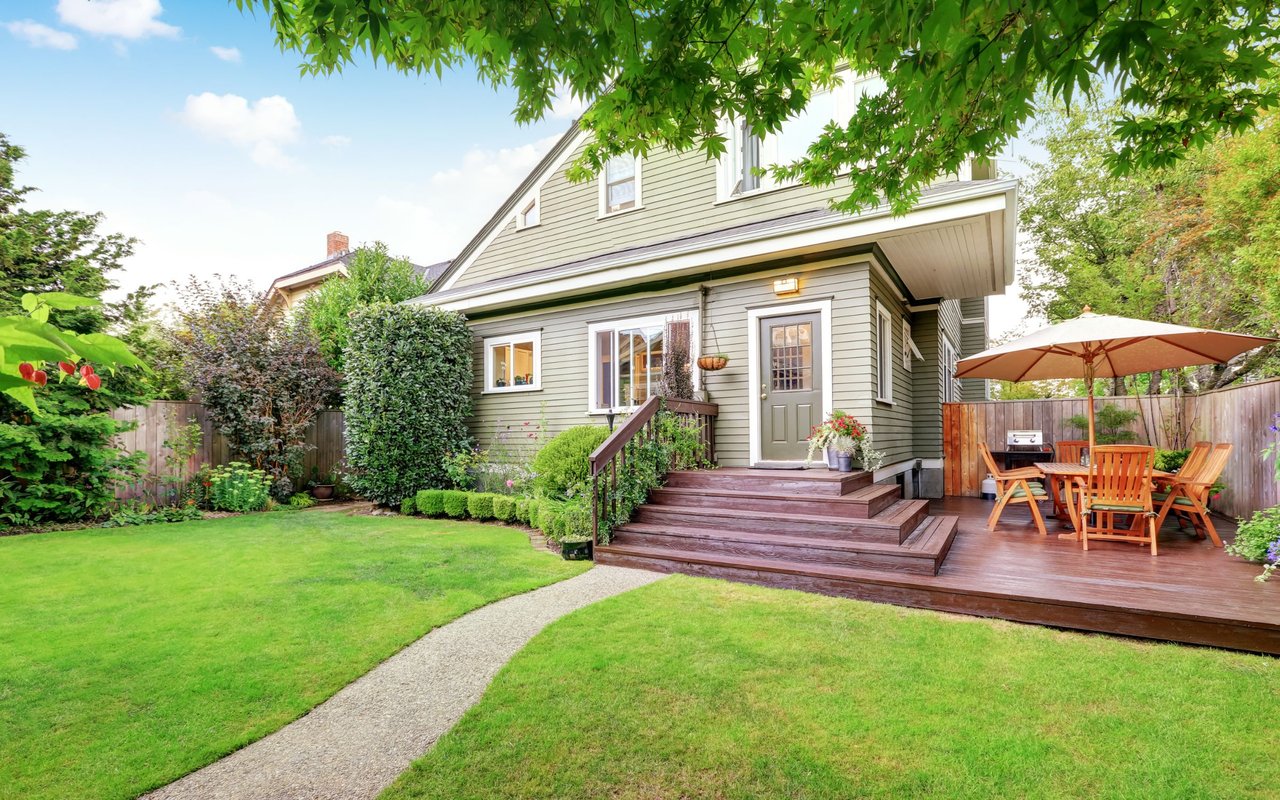
Sage-green house with a raised wooden deck, umbrella-covered dining area, and landscaped lawn.

Step 2: Decide on Your Budget

Examine your current expenses and determine how they might change if you purchase a home. Create a comprehensive household budget so you can factor in any new ongoing expenses that might come with a home purchase, such as garbage and recycling, water, or homeowner’s association fees. Once you decide how these expenses will change, you’ll be better equipped to leverage the information you get in step three.

Residential street lined with houses, leafy trees, and landscaped front yards.

Step 3: Get Prequalified

Prequalification is a great start for understanding your purchasing power, but it’s not the only factor. A lender may pre-approve you for more than you’re comfortable spending, which is why the budget you compiled in step two is so important. The opposite can also happen, where you believe you can afford a certain payment every month, but the bank doesn’t agree. This often happens when you’re new to your job, have insufficient credit, or have bankruptcies or other financial issues in your history.

You’re not required to stick with this lender when you ultimately finance your purchase, but this process is a great way to vet mortgage providers. Also, a prequalification letter can make you a more competitive candidate in multiple-offer situations.

Kitchen with navy cabinets, marble surfaces, a large range, and a foreground island sink.

Step 4: Choose Your Real Estate Experts

Now it’s time to find your dedicated real estate representative! Regulations enacted in 2024 require real estate agents to obtain a signed buyer’s agreement before showing consumers homes. Of course, we do a great deal more than opening up listings; we can help you understand your local market, identify areas and properties that fit your specific criteria, help you create competitive offers that match your financial and logistical needs, and much more.

Dedicated Service, Real Results

Finding the perfect home and navigating the purchase process can be daunting. Leverage our knowledge and expertise and enjoy your personalized real estate journey.

Living room with white sofas, a fireplace, potted plants, and a glass coffee table.

Step 5: Find the Right Home

Your agent will arrange showings of properties that meet your specific criteria and price range, taking note of your likes and dislikes to further refine their search parameters. They’ll help you explore the details — from storage to light switches to the flow of a home — and understand the pros and cons of the options in front of you. They’ll also help you make time to explore the neighborhood and examine elements like local traffic at different times of the day, parking options, and proximity to neighborhood amenities like schools and grocery stores.

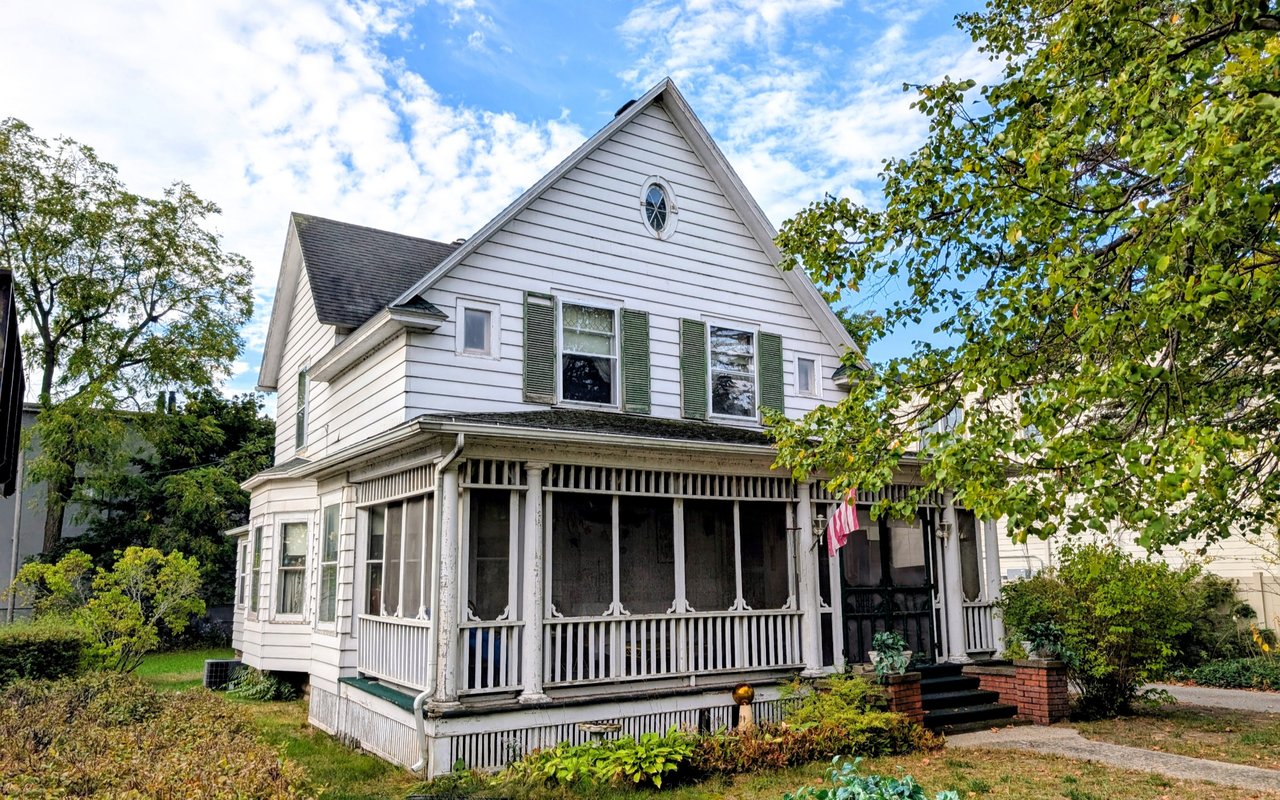
White two-story house with green shutters and a screened-in wraparound porch.

Step 6: Finalize Your Financing

Once you’ve narrowed down your home search, it’s time to go back to the mortgage provider who prequalified you in step three and obtain preapproval. With a property and purchase price in mind, your lender can get much more specific about your interest rate, monthly payments, the term of the loan, and special programs such as first-time homebuyer grants and loans through the VA and FHA. While you will primarily work with your bank to select the right options for you, we’re here to offer support and recommend mortgage providers we’ve worked with in the past if you get stuck.

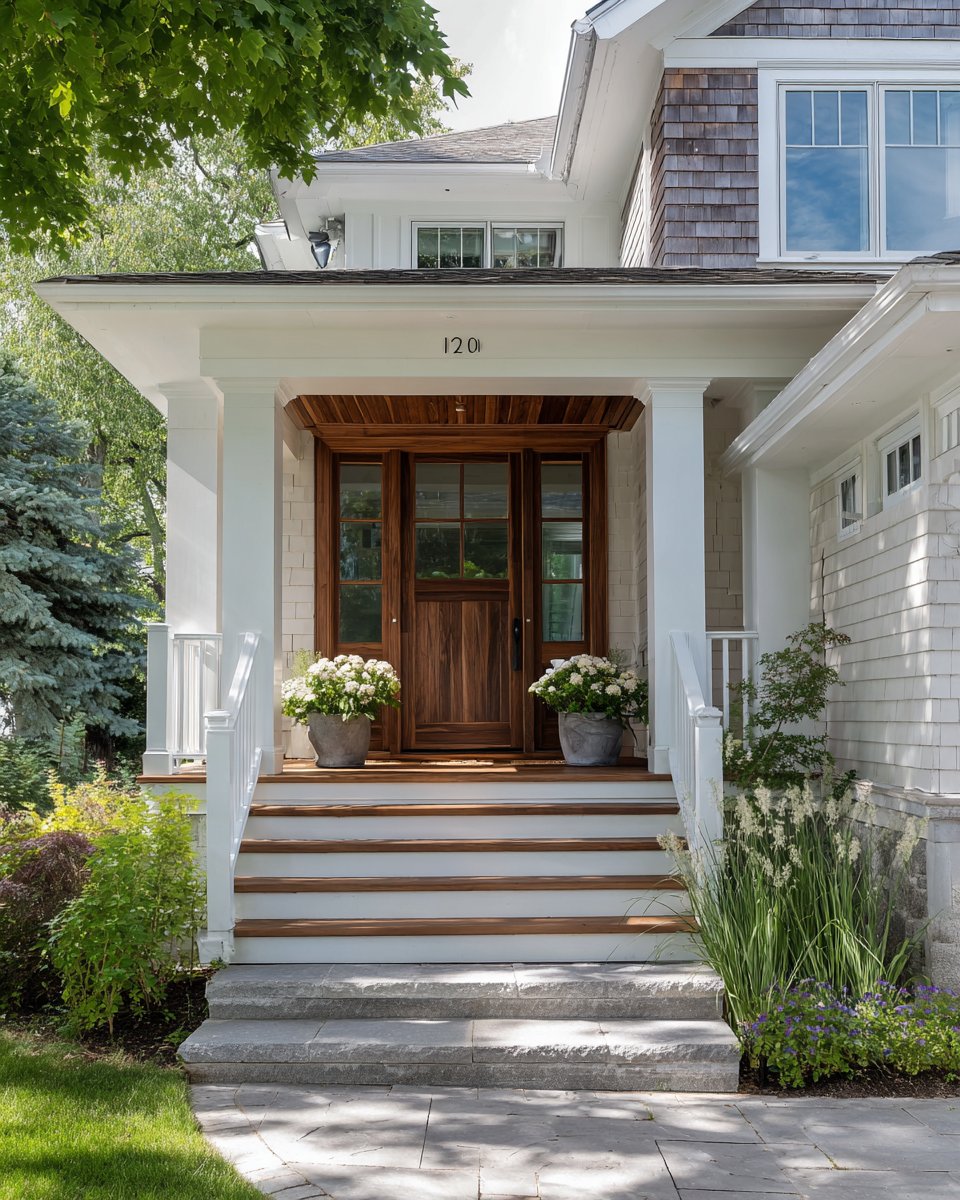
White house with an arched porch, black door, brick steps, and white picket fence.

Step 7: Make an Offer

Once you have selected the perfect home and have your finances in order, your agent will help you craft a fair offer price based on the value of comparable homes on the market. You’ll also work through details such as timing, contingencies, and fees. After your agent submits the offer on your behalf, they will help you negotiate counteroffers and reach an agreement with the seller. At this point, the house will go into escrow.

Green and blue homes with covered porches line a curved sidewalk through landscaped spring lawns.

Step 8: Have the Home Inspected

In most cases, your offer will be contingent on the home passing inspection. This protects you from purchasing a property that has serious structural issues or requires major repairs. We have a list of trusted local providers, but you can hire any licensed home inspector you like. If the inspection uncovers major issues, you can withdraw from the sale or renegotiate your offer based on what needs to be fixed.

Living room with a cream sofa, tall windows, and a leafy indoor tree.

Step 9: Obtain a Home Appraisal

The appraisal ensures that you are paying a fair price for the house. Your mortgage provider will hire an appraiser to inspect the property and offer an independent opinion of its value. Sometimes, appraisals may come in too low, which can impact the amount of money the bank is willing to lend. In this case, your agent can help you determine next steps and navigate the appeal process.

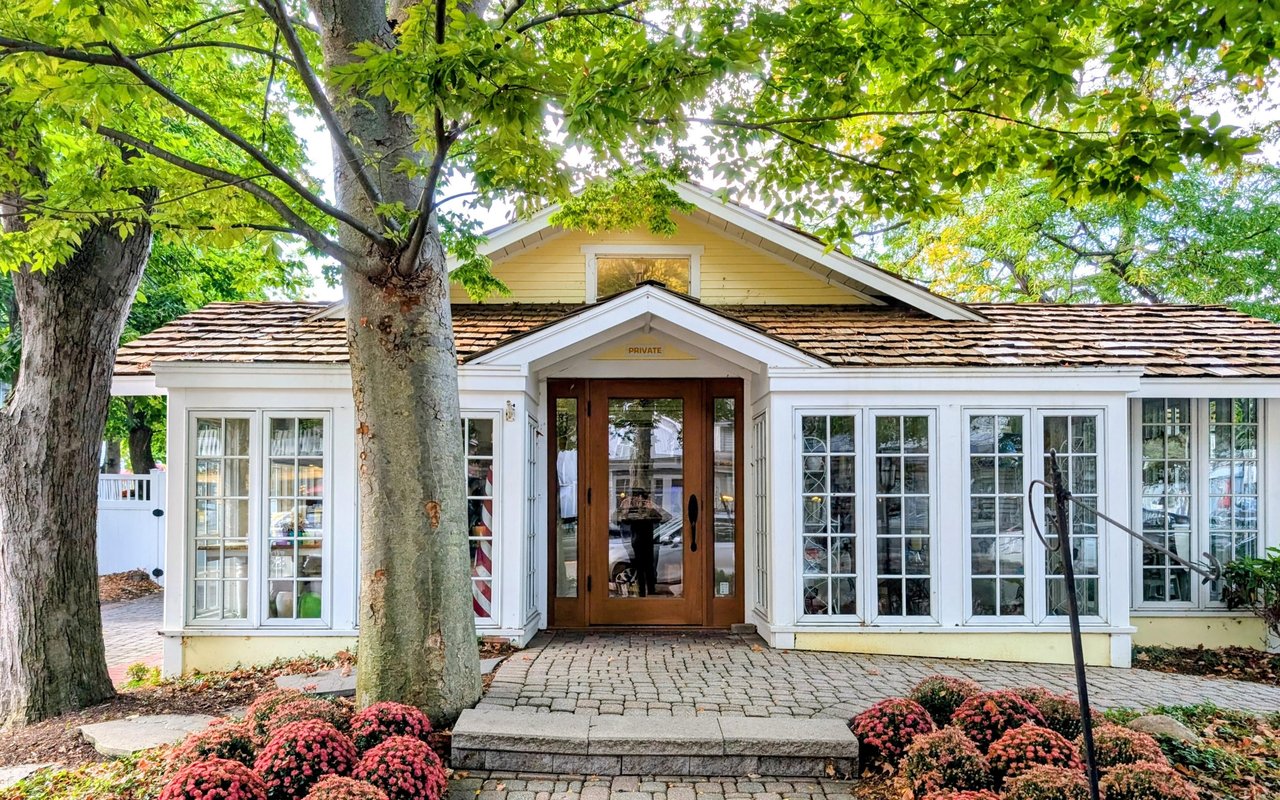
Cottage-style building with a central wooden entrance, brick walkway, and leafy trees.

Step 10: Complete the Paperwork

No one looks forward to all the paperwork stacked up on the closing table, but it’s a necessary part of the process. Fortunately, everything will be arranged by your lender and title company. And, when you’re finished, you’ll be the legal owner of your new home.

Frequently Asked Questions about Buying a Home in Omaha

Do I need a signed buyer agreement before touring homes?

Yes. Under rules that took effect in 2024, real estate agents need a signed written agreement with a buyer before showing homes. The agreement explains the services we provide and how we are paid. We will walk you through it before your first showing.

What is the difference between prequalification and preapproval?

Prequalification is an early estimate of what a lender may let you borrow, based on information you share. Preapproval comes later, after the lender reviews your finances in detail. A preapproval letter shows sellers you are a serious, ready buyer, which helps when there are competing offers.

Should I get a home inspection on an Omaha home?

Yes, in most cases. An inspection contingency lets you learn about structural problems or major repairs before you commit. We can share a list of trusted local inspectors, but you are free to hire any licensed inspector you choose. Inspections are recommended for new construction too.

What happens if the appraisal comes in low?

If the appraisal is lower than your offer, your lender may lend less than you planned. You can ask the seller to lower the price, cover the gap yourself, renegotiate, or in some cases walk away depending on your contract. We help you weigh those options quickly.

Congratulations!

You are now the proud owner of your new home. We are honored to have helped you find it and are always here if you need anything after the move, from local recommendations to questions about your home.

Follow Us On Instagram